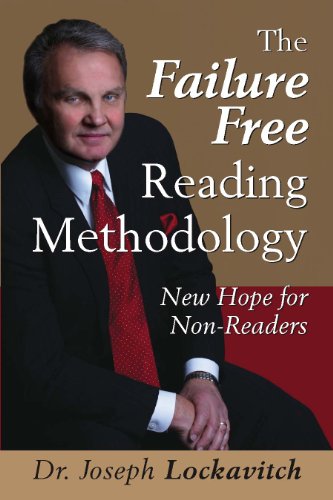
The Failure Free Reading Methodology: New Hope for Non-Readers by Joseph Lockavitch
Summary
“The Failure Free Reading Methodology” presents an innovative approach to teaching reading, specifically designed for individuals who have struggled with traditional methods. Joseph Lockavitch introduces a structured program that emphasizes vocabulary development, repetition, and comprehension to assist non-readers in achieving literacy. :contentReference[oaicite:0]{index=0}
Chapters
1. Introduction
Provides an overview of the reading challenges faced by non-readers and introduces the Failure Free Reading (FFR) methodology as a solution.
2. Theoretical Foundations
Explores the research and theories underpinning the FFR approach, including insights into language acquisition and cognitive development.
3. Program Structure
Details the components of the FFR program, outlining its step-by-step implementation and the rationale behind each element.
4. Vocabulary Development
Emphasizes the importance of building a robust vocabulary as the foundation for reading proficiency and describes strategies to achieve this within the FFR framework.
5. Repetition and Reinforcement
Discusses the role of repetition in reinforcing learning and ensuring retention, highlighting techniques used in the FFR program to facilitate this process.
6. Comprehension Strategies
Introduces methods to enhance reading comprehension, focusing on how the FFR methodology addresses common comprehension challenges among non-readers.
7. Case Studies
Presents real-life examples of individuals who have benefited from the FFR program, illustrating its practical application and effectiveness.
8. Implementation Guidelines
Offers practical advice for educators and practitioners on how to implement the FFR methodology in various educational settings.
9. Assessment and Evaluation
Provides tools and metrics for assessing the progress of learners using the FFR program, ensuring that the methodology meets individual needs.
10. Conclusion
Summarizes the key points discussed and reinforces the potential of the FFR methodology to transform the reading abilities of non-readers.
Key Takeaways
- Structured Approach: The FFR methodology offers a systematic framework tailored to the unique needs of non-readers.
- Vocabulary Emphasis: Building a strong vocabulary is central to the program, serving as the cornerstone for reading development.
- Repetition and Reinforcement: Consistent repetition is utilized to solidify learning and promote retention.
- Comprehension Focus: The program includes specific strategies to improve understanding and interpretation of text.
- Practical Application: Real-world case studies demonstrate the effectiveness and adaptability of the methodology.
Review
“The Failure Free Reading Methodology” is a valuable resource for educators and practitioners seeking alternative strategies to support non-readers. Joseph Lockavitch’s evidence-based approach provides a comprehensive framework that addresses the multifaceted challenges of reading acquisition. The book’s practical insights and structured program make it an essential guide for those dedicated to fostering literacy among struggling readers. :contentReference[oaicite:1]{index=1}
Related Books